
PGD/ PGS
PREIMPLANTATION GENETIC TESTING

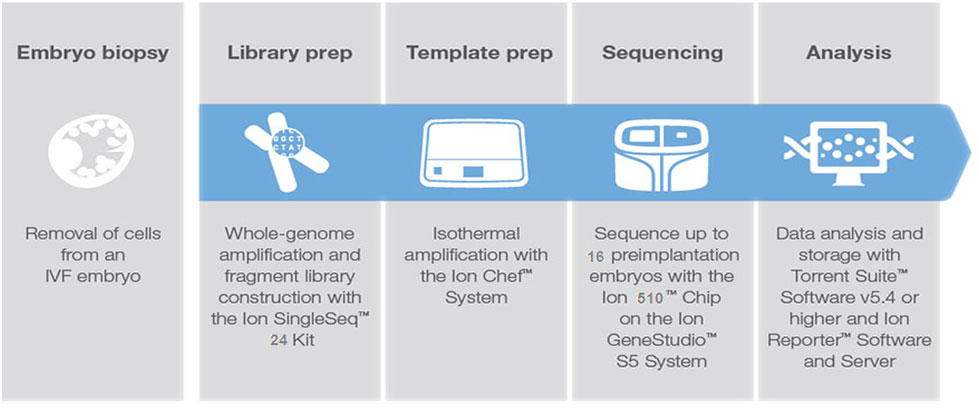
  • PGT is the technique by which embryos obtained through in vitro fertilization are analyzed to discover genetic abnormalities before embryo transfer.
  • PGT is an efficient and objective method of embryo selection before embryo transfer.


THE TYPES OF PGT ARE:

  • PGT-A and PGT-SR (PGS) – preimplantation genetic testing for numerical and structural chromosomal abnormalities
  • PGT-M (PGD) – preimplantation genetic testing for single-gene abnormalities

An essential stage in in vitro fertilization

PGT is recommended to be performed during the IVF procedure for couples with:

THE ADVANTAGES OF PGT ARE:

PGT-A and PGT-SR allow the identification of embryos without chromosomal abnormalities that are suitable for implantation.
This selection, which takes place before embryo transfer, is useful because it contributes to:

  • Increasing the embryo implantation rate
  • Decreasing the miscarriage rate caused by fetuses with chromosomal abnormalities
  • Reducing the number of IVF cycles

PGT-M is indicated for couples who are carriers of gene mutations. This testing allows for the identification of embryos that have inherited the genetic condition for which the parents are carriers, enabling the implantation of healthy ones, thereby limiting the transmission of single-gene genetic disorders within the family.